OPS · Aurora add-on

OPS airline operations software

FlightAtom OPS is an Aurora add-on that organizes configured dispatch, turn, delay, weather, NOTAM, and station context for day-of-operations review. It can present candidate planning and coordination options; authorized personnel validate sources and retain the operational decision.

Aurora add-on

See where OPS fits around Aurora.

OPS is a connected add-on for Aurora. Add it when you need day-of-operations coordination; the exact data and workflow connections are configured for your operation.

Explore Aurora, the core platform →

See it in action

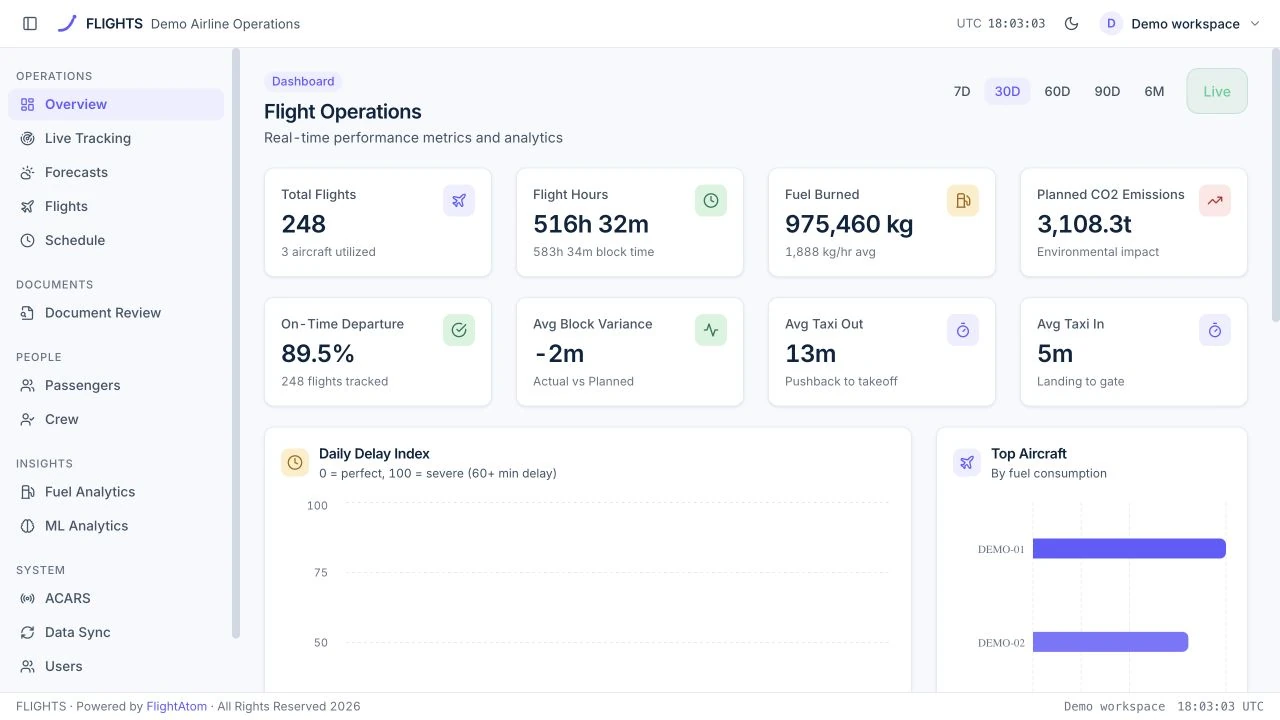
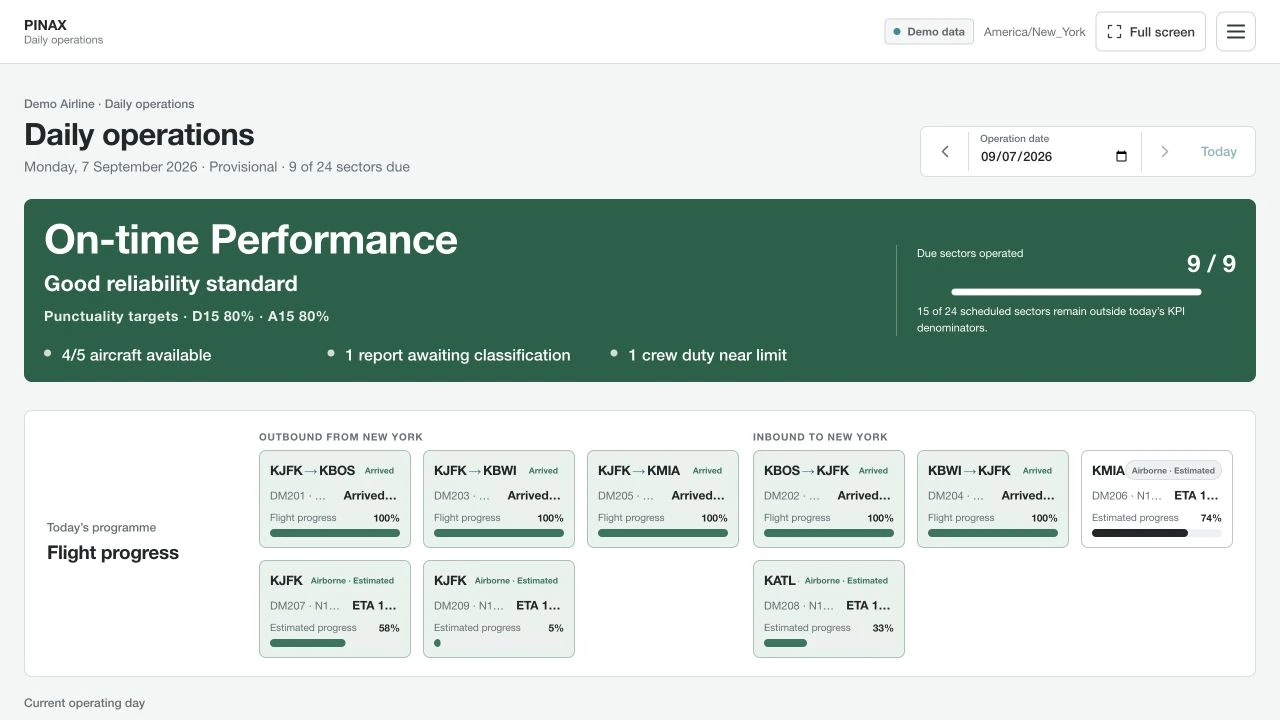
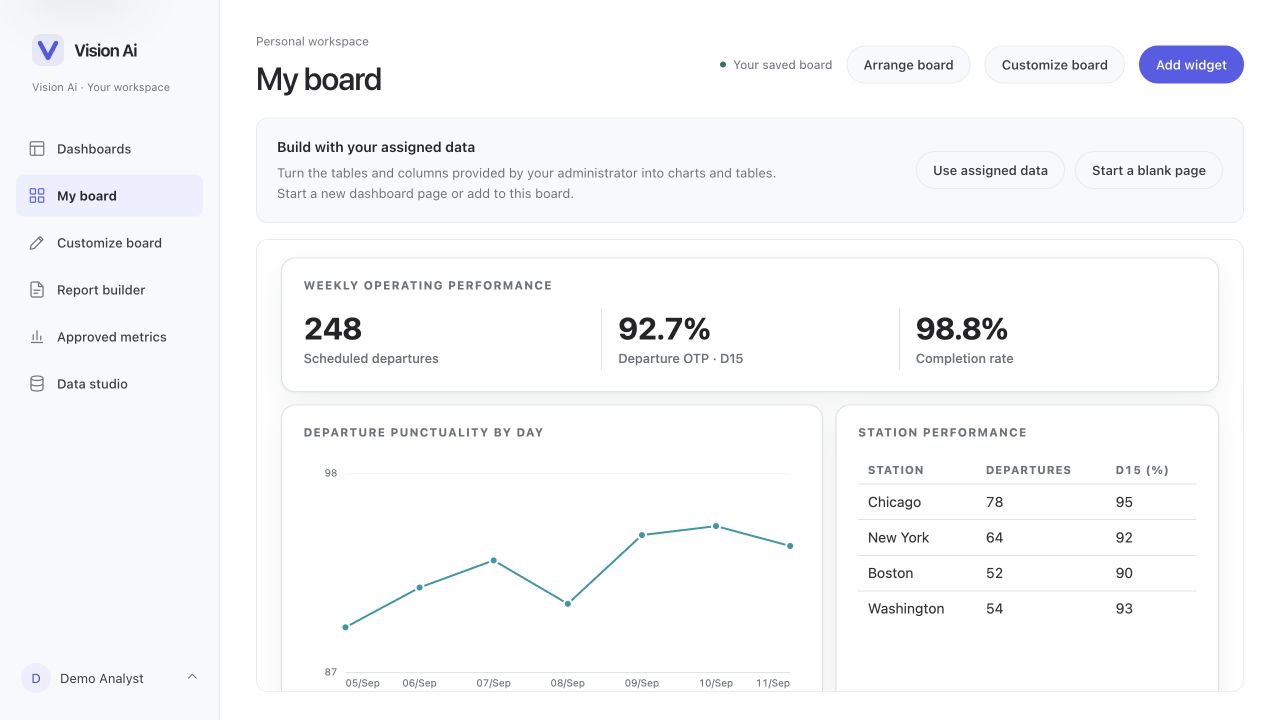
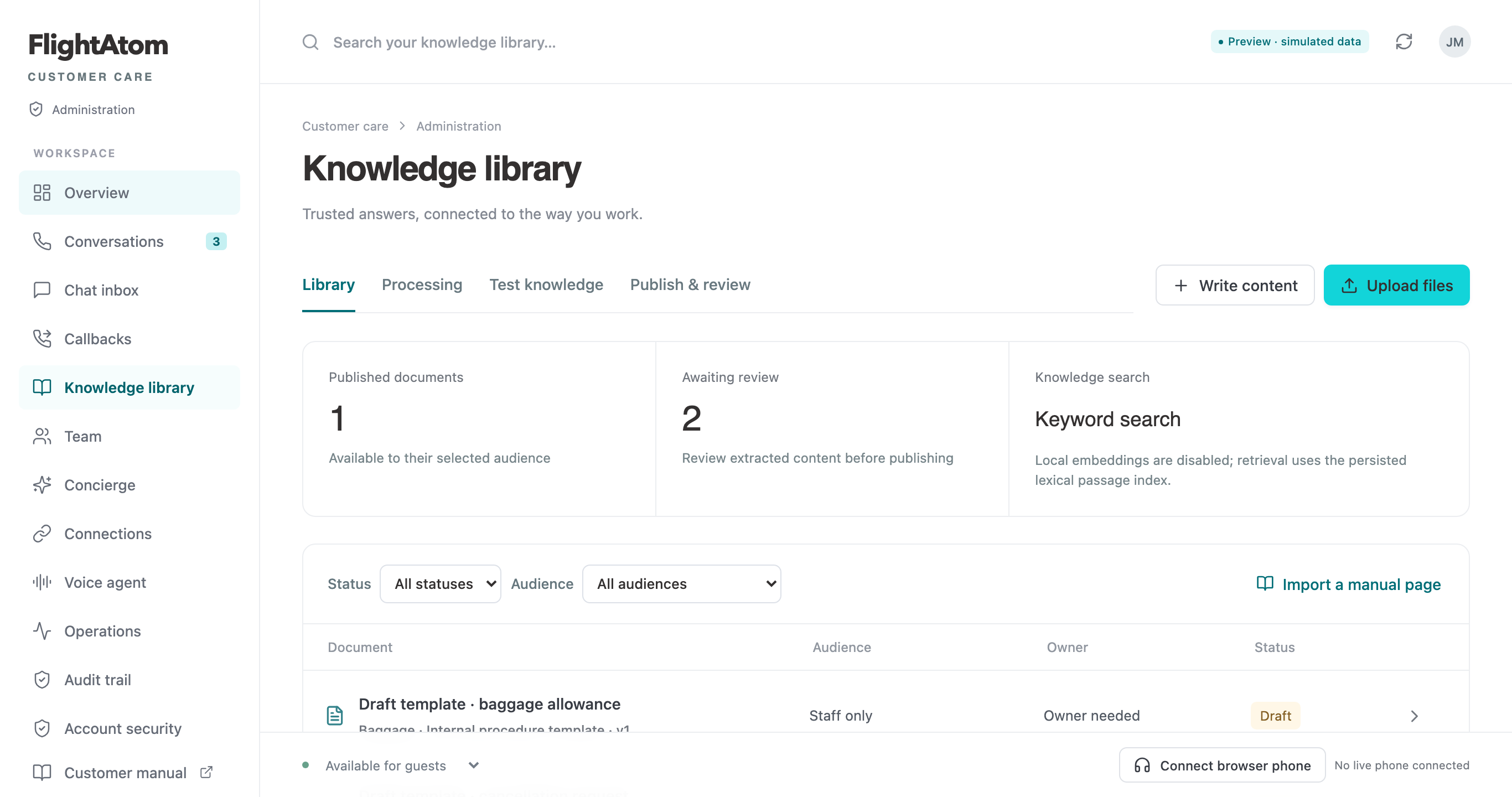
Interface preview with fictional sample data. Final screens, fields, and connected sources vary by operator configuration.

User View

  • Pre-Flight Checklist: Complete pre-flight procedures
  • Flight Progress: Live in-flight tracking
  • Post-Flight Report: Submit post-flight observations

Admin View

  • Operations Board: Live operations overview and alerts
  • Fleet Tracking: Real-time aircraft positions
  • Delay Management: Track and resolve flight delays

Coordinate core flight operations

Flight Planning Review

Review route options using configured weather, NOTAM, airspace, fuel, and aircraft-performance inputs before an authorized dispatch decision.

Fuel Decision Support

Compare fuel-uplift context using available pricing, alternate routing, and operator-configured planning inputs.

Weight & Balance

Support configured digital load-sheet and center-of-gravity workflows using connected passenger, cargo, and aircraft data for authorized review.

Performance Calculations

Support configured takeoff and landing performance workflows with runway and available weather context for authorized review.

Dispatch Tracking

Display position updates and deviation alerts from supported tracking feeds, with source freshness visible for operational review.

NOTAM & Briefings

Assemble decoded weather and potentially relevant NOTAM context from configured sources for dispatcher validation.

Decision support for configured operations data

OPS can analyze configured turn, delay, and ground-event data to surface recurring bottlenecks, short-horizon risk signals, and candidate actions for operational review.

Turn & Delay Analysis

Analyzes connected turn events

When supported sources provide turn timestamps, delay codes, and ground-service events, OPS can surface patterns such as recurring bay delays, missed OOOI targets, or a vendor trend drifting from its SLA.

Personalized Station Insights

Configured station views and candidate actions

Each base can receive priorities tied to its configured flow rather than a generic dashboard. Candidate moves may include re-sequencing pushbacks, changing ground equipment, or reviewing a recurring vendor issue; operators decide what to action.

OTP Risk Forecasting

Surfaces short-horizon OTP risk

Using available inbound-delay, crew-connection, gate, and weather context, OPS can estimate near-term OTP pressure and present candidate protections with estimated cost impact for OCC review.

Attention Required Across Network Operations

Fictional sample data showing the type of reviewed priority feed OPS can present to an operations team.

  • LHR T2 inbound bank from 11:00: 3 possible cascading misconnections indicated, with candidate swap and hold options prepared for OCC review. Critical · OTP Risk · candidate review
  • BCN station turn time +4.2 min above plan for 6 consecutive days: ground handler review escalated. Warning · Ground Performance · trend detected
  • Gate 17 at AMS overbooked between 14:30–14:55: candidate re-allocation to gate 22 awaiting station approval. Warning · Gate Conflict · resolution suggested
  • Illustrative OTP indicator for today: 88.4% (target 87%): current configured inputs show no candidate protection item. Info · Indicator · network review
  • 38 passenger connections flagged for proactive review this week: estimated recovery exposure: €92k. Info · Connection Risk · illustrative impact

FlightAtom Ops FAQs

How does OPS support flight-planning review?

OPS can support flight-planning review using configured weather, NOTAM, airspace, fuel, and aircraft-performance inputs. Authorized dispatch personnel remain responsible for the controlling release and operational decision.

What can configured weight-and-balance workflows include?

OPS can support configured digital load-sheet and center-of-gravity workflows using connected passenger, cargo, and aircraft data. The operator validates the calculation, source freshness, approvals, and regulatory record before operational use.

How does OPS support fuel-uplift decisions?

OPS can analyze available fuel pricing, weather, route, tankering, and contingency context to support an authorized fuel-uplift decision. Recommendations depend on configured sources and do not replace approved planning systems.

How does FlightAtom Ops analyze turns and delays?

When connected sources provide turn timestamps, delay codes, and ground-service events, OPS can surface possible recurring bottlenecks and short-horizon OTP pressure indicators. Coverage and confidence depend on available data; authorized personnel review any candidate protection and estimated impact.

What does dispatch tracking and weather briefing cover?

OPS can display position updates and deviation alerts from supported tracking feeds. It can also assemble weather and potentially relevant NOTAM context from configured sources; authorized dispatch personnel validate freshness, applicability, and the controlling operational briefing.

Does OPS replace approved dispatch or flight-planning systems?

No. FlightAtom OPS supports configured review and coordination workflows. It does not replace an approved dispatch release, operational flight plan, controlling weather or NOTAM source, required calculation, or authorized dispatch decision.

Where this fits: plan, operate, recover

FLIGHTS, OPS, and CONTROL provide context at different points in the operating day; configured sources and authorized users define each workflow boundary.

 FlightOpsControl
What it supportsSynchronized flight records and performance reviewConfigured day-of-operations coordinationReviewed disruption and recovery options
Typical timingAcross and after operational activityDuring routine day-of-operations activityDuring disruption and recovery review
Primary userFlight operations / performance teamsOps controller / duty officerOCC / network operations
Core contextOOOI records, post-flight documents, fuel, and performanceTurns, delays, tracking, weather, and NOTAM reviewIROPS exposure and candidate crew or aircraft changes

The full handoff (Plan → Release → Operate → Recover → Analyze) is on the platform overview.

Review dispatch-to-departure context

Reviewed flight-planning, weight-and-balance, and fuel decision support for configured workflows.

Request Ops Demo